
Picking a new cooling system is a huge move. Pennsylvania weather swings from sticky summers to freezing winters, so you need a setup that handles both without costing a fortune. Whether you are upgrading an old unit or starting fresh, knowing your options helps a ton.
Planning for AC installation in Reading, PA, is about more than the price; you must consider your home’s structure, your budget, and future energy bills.
Central Air Conditioning
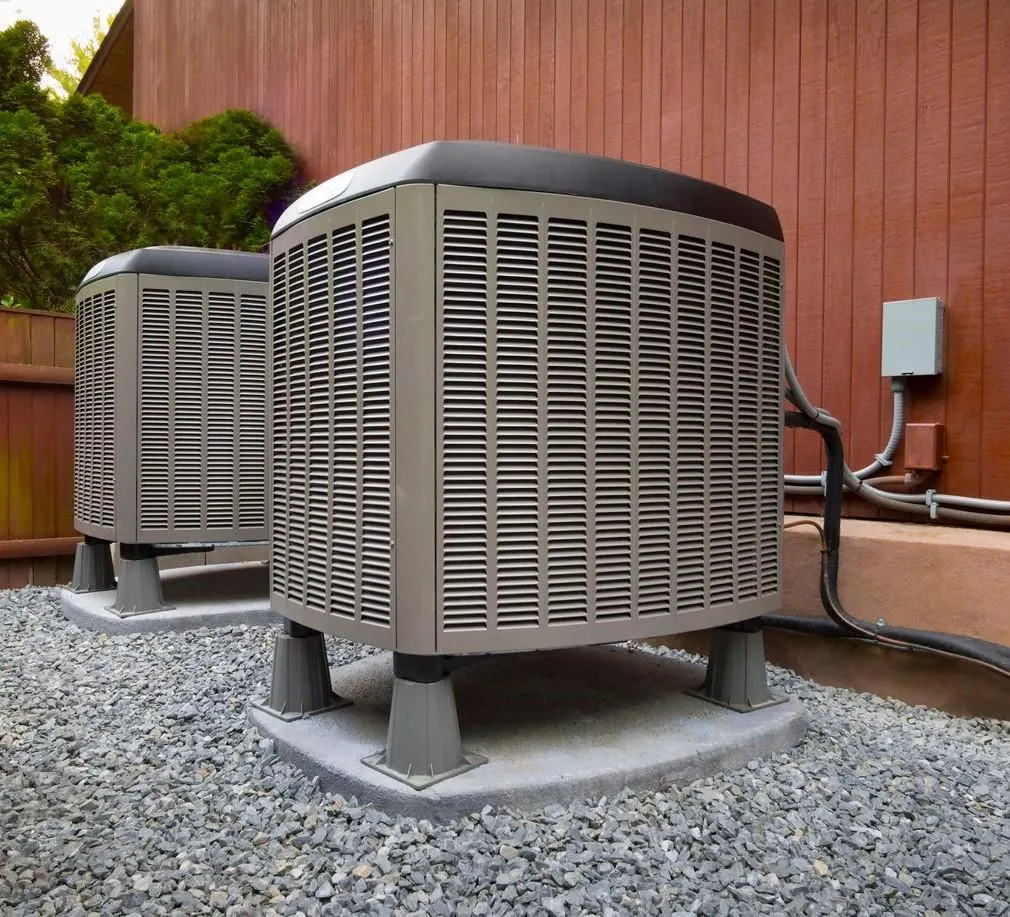
If your home already has air ducts, central AC is usually the go-to choice. It uses one big unit outside to cool the air and a blower inside to push it through every room.
It is great because it keeps the whole house at the same temperature. Plus, you don’t have to look at bulky units on your walls. It’s all tucked away in the attic or basement.
Heat Pumps
Heat pumps look just like central AC units, but they have a cool trick. They can switch directions. In the summer, they pull heat out of your house to cool it down. In the winter, they pull heat from the outside air to warm your home up.
They are super efficient and can save you a ton on heating costs if you currently use oil or electric baseboards.
Ductless Mini-Splits
Many older homes in Reading do not have ductwork. Tearing up walls to add ducts is a messy, expensive nightmare.
Ductless mini-splits solve this; they can be a great option for your AC installation in Reading, PA. You mount small units on the wall in the rooms you use most.
They connect to an outdoor unit with just a tiny wire and pipe. They are incredibly quiet and let you turn off the AC in rooms you aren’t using.
Ducted vs. Ductless
If you have ducts in good shape, sticking with a ducted system is cheaper upfront. You just swap the old machine for a new one.
However, if you have to install brand-new ducts, the price jumps fast. In that case, a multi-zone ductless system might actually save you money on the install and on your monthly power bill.
Sizing Matters
You might think a bigger AC is better, but that is a myth. If a unit is too large, it turns on and off constantly. This is called “short-cycling.” It wears out the parts and doesn’t run long enough to remove humidity.
You end up with a house that feels cold but clammy. A pro will measure your square footage and windows to find the “Goldilocks” size that is just right.
Check the SEER2 Ratings
Efficiency is measured by something called a SEER2 rating. Think of it like miles-per-gallon for your AC. The higher the number, the less electricity it uses.
Modern systems usually start around 13 or 14, but high-end models can go way up into the 20s. Spending a little more now on a high rating can save you thousands of dollars over the next ten years.
Indoor Air Quality Add-ons
When you get a new system put in, it is the perfect time to think about the air you breathe. You can add high-tech filters or UV lights to kill germs.
Since Pennsylvania can get very humid, a whole-home dehumidifier is another great add-on. It helps your AC work less while making the air feel much crisper and cleaner.
Professional Load Calculations
Never let someone give you a quote over the phone without seeing your house. A real expert does a “Manual J” calculation.
This looks at your insulation, the way your house faces the sun, and even how many people live there. This ensures your AC installation in Reading, PA, handles the hottest July days without a sweat.
Frequently Asked Questions
Q.1) How long does it take to install a new AC?
Ans – A basic swap takes one day. Complex jobs with new ducts or multi-zone units can take two to three days. Teams work fast to restore your air quickly.
Q.2) Is ductless AC better for allergies?
Ans – Usually. Traditional ducts trap dust and mold. Ductless units filter air directly in the room without using old, dirty pipes, leading to cleaner air for sensitive lungs.
Q.3) What is the average lifespan of a new AC system?
Ans – Most last 15 to 20 years with care. Skipping tune-ups can drop that to 10 years. Routine maintenance really pays off in the long run.
Q.4) Do I need a new thermostat with a new AC?
Ans – It is a smart move. New ACs perform best with modern thermostats that manage variable speeds and track energy use to save you more money.
Q.5) How do I know if my ducts are okay for a new AC?
Ans – A pro will check your attic or crawlspace for leaks and clogs. Bad ducts ruin a new AC’s efficiency, so they must be in good shape.
Keep Your Home Cozy Year-Round
Picking the right cooling setup for your AC installation in Reading, PA, isn’t just about staying chill in August; it is about improving your home while saving money. Whether you need powerful central air or a flexible ductless system, the choice depends on your specific needs.
F&H Heating & Plumbing LLC uses forty years of local expertise and the right tools to keep your home at the perfect temperature every single day.