
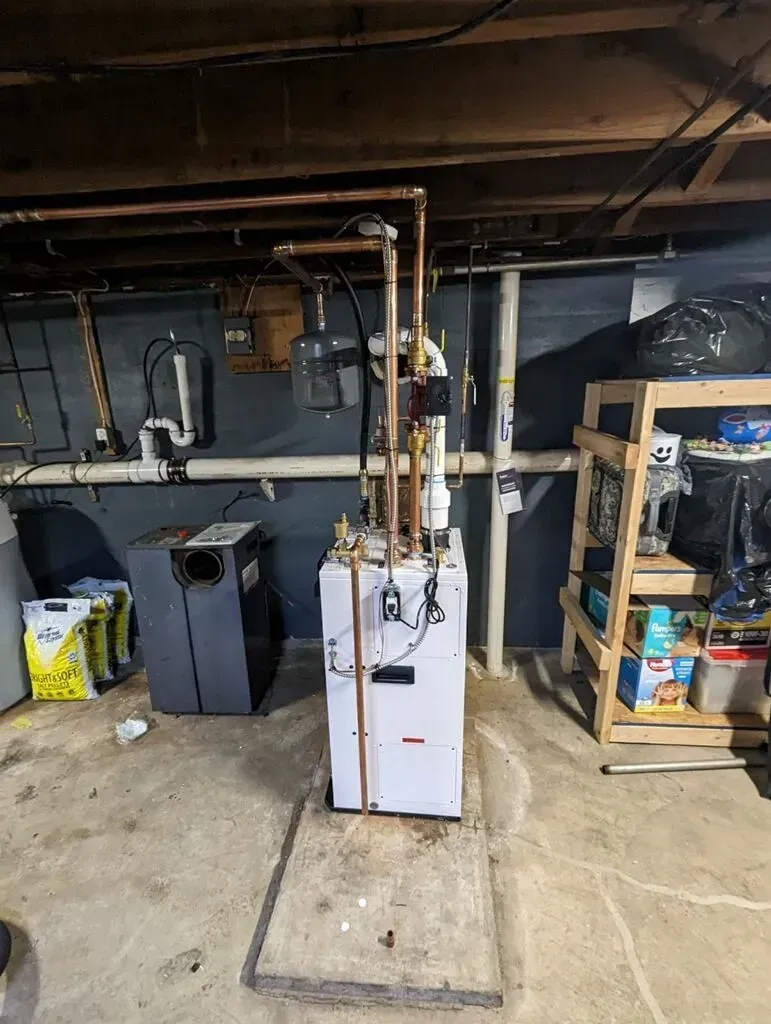
When winter hits hard, a cold house is a total vibe killer. Most folks want a warm home without blowing their whole budget on power bills. Getting gas heating systems installed offers a smart way to stay cozy when the snow starts falling.
Natural gas provides a punchy, reliable heat that keeps the shivers away. This guide breaks down why gas units are such a win for modern living.
High Energy Efficiency
Modern gas units are straight-up beasts when it comes to efficiency. They turn almost all the fuel into actual heat for the rooms. Older units used to waste tons of energy through the chimney.
Now, new tech captures that heat instead of letting it vanish. High efficiency means the machine works less to do more. This keeps the house warm even during a polar vortex.
Serious Cost Savings
Everyone loves extra cash in their pocket. Gas usually costs way less than electricity for heating. While the setup might cost a bit upfront, the monthly bills stay low.
Over time, the savings really add up. You stop stressing about the thermostat every time the wind howls. It is a solid long-term play for any homeowner looking to save big.
Faster Heating Speeds
Electric heaters can be slow and annoying. They take forever to ramp up the temp. However, when you have gas heating systems installed, the air gets hot almost instantly.
The furnace fires up and pumps out toasty air through the vents right away. You do not have to huddle under three blankets waiting for the chill to leave. It delivers heat on demand.
Better Reliability
Power lines go down all the time during big storms. If you rely only on electricity, a blackout means a freezing night. Gas lines stay buried underground and usually keep working during a storm.
This gives you peace of mind when the weather gets dicey. You can count on your heater to stay running even when the streetlights go dark.
Longer Lifespan
A good gas furnace is a total tank. If you take care of it, it can last twenty years or more. They have simple, sturdy parts that handle heavy use.
Regular check-ups keep them humming along without major drama. Investing in a quality unit means you won’t need a replacement for a very long time. It is a durable choice for any climate.
Consistent Performance
Some heaters struggle when the temperature drops below zero. Heat pumps sometimes lose their edge in extreme cold. Gas furnaces do not care how cold it is outside.
They provide the same intense heat whether it is thirty degrees or minus ten. This consistency makes them the goat for northern winters. You get a steady flow of warm air regardless of the outdoor forecast.
Clean Burning Fuel
Natural gas is the cleanest fossil fuel you can burn. It produces fewer emissions than oil or coal. This makes it a better pick for the planet while still being super powerful.
When professionals get gas heating systems installed, they ensure the venting is perfect. This keeps the air in the house safe and the footprint small. It is a responsible way to stay warm.
Boosts Home Value
Buyers love seeing a modern gas furnace in the basement. It shows the home is updated and cheap to run.
An efficient heating system is a huge selling point if you ever decide to move. It adds “curb appeal” to the inside of the house. People pay a premium for a home that is already set up for comfort and low utility costs.
Comparison of Heating Methods
The following table compares different heating methods based on their speed, monthly operating costs, expected lifespan, and performance in extreme winter temperatures.
| Feature | Natural Gas Furnace | Electric Baseboard | Heat Pump |
| Heating Speed | Very Fast | Slow | Moderate |
| Monthly Cost | Low | Very High | Medium |
| Lifespan | 15-25 Years | 10-15 Years | 10-15 Years |
| Cold Weather Power | Excellent | Poor | Varies |
Understanding the Setup
The process involves connecting the unit to a gas line and ductwork. Professionals must handle the job to keep everything safe and leak-free.
They check the pressure and ensure the exhaust goes outside properly.
Frequently Asked Questions
Q.1) How long does it take to put in a new system?
Most pros can swap out an old furnace for a new gas one in about a day. If they need to run new gas lines or fix ducts, it might take two days.
Q.2) Is natural gas safe for my family?
Yes, it is very safe when installed correctly. Modern units have sensors that shut the system down if they detect a problem. Always keep a carbon monoxide detector nearby for extra safety.
Q.3) How often should I change the filter?
You should check the filter every month. Most folks swap it out every ninety days. A clean filter keeps the air flowing and stops the motor from burning out.
Q.4) Can I switch from oil to gas?
Totally. Many people make the switch to save money and reduce mess. You just need a gas line run to the house and a new burner.
Q.5) Does a gas furnace make a lot of noise?
New models are actually pretty quiet. They use insulated cabinets and variable-speed fans to keep the noise down. You might hear a soft hum, but it won’t wake the baby.
Stay Cozy Without the Stress
Picking a gas furnace is a smart move for anyone tired of high bills and cold toes. These systems provide fast, reliable heat that lasts for decades. They keep your home safe and warm even when the winter weather gets wild.
If you need help with your home comfort, contact F & H Heating & Plumbing LLC to get the best gas heating system installed. Our experts ensure your family stays cozy all year long.